Home / Understanding the Longevity of Kitchen Backsplash Installations
Understanding the Longevity of Kitchen Backsplash Installations
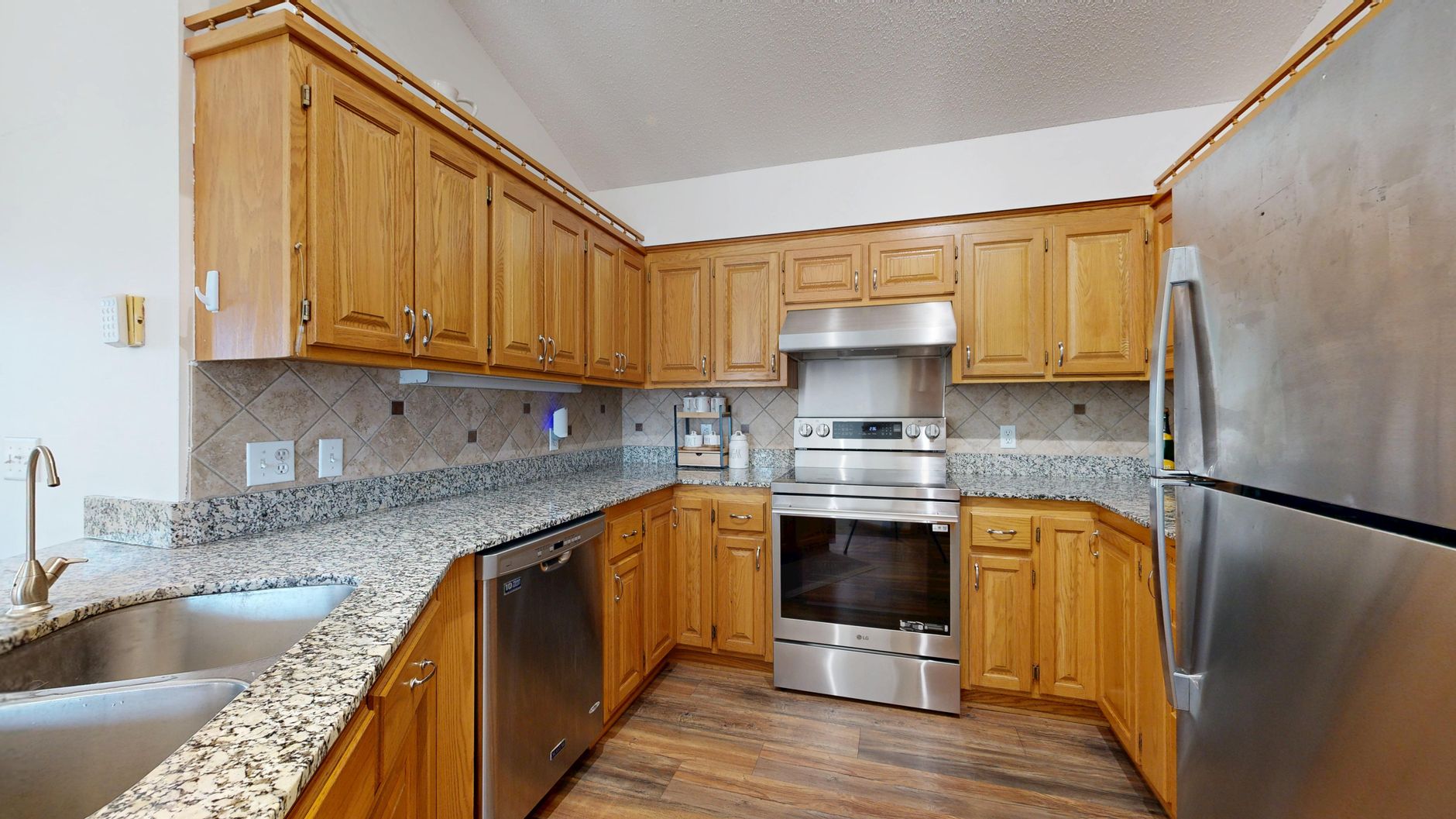
The line of caulk where a tile backsplash meets the counter usually fails years before the tile itself, and how long a backsplash lasts depends mostly on whether that joint, the grout and the wall behind were treated as a system.
A well installed backsplash can stay sound for the life of the kitchen. A poorly installed one starts showing cracked grout, loose tiles or water stains within a few years. The difference rarely comes down to the tile chosen. It comes down to the substrate, the setting material, the joints and the habits of the household.
What a backsplash is actually made of
Most backsplashes are a layered assembly:
- The wall. Usually drywall in a kitchen, sometimes cement board behind a range or sink.
- The setting material. Thinset mortar for most ceramic, porcelain and stone tile, or a mastic adhesive for some light wall tile in dry areas.
- The tile or slab. Ceramic, porcelain, glass, natural stone, or a full height slab of the same material as the counter.
- Grout. Cementitious, urethane or epoxy, filling the joints between tiles.
- Movement joints. Flexible sealant where the backsplash meets the counter, at inside corners and where it meets cabinets or windows.
Each layer can fail, and the first one to fail usually takes others with it.
The joint at the counter
The counter and the wall move independently. Houses settle, cabinets shift slightly, and materials expand and contract with temperature. A rigid grout joint at the base of the backsplash cracks under that movement, and water from the sink area then runs behind the tile.
That joint should be a flexible sealant, usually a silicone or a sealant designed for kitchens, color matched to the grout. It needs replacing when it pulls away, discolors with mold, or cracks. This is a small job that adds years to a backsplash.
The same joint is where many owners first notice chips or cracks along the edge of the counter itself. The earlier article on this site gives a deeper look at backsplash steps in the context of counter damage, explaining which chips, cracks and etching on the surface below can actually be repaired and which cannot.
Substrate and setting: the hidden half
A backsplash only lasts as long as the wall behind it. Common installation problems that show up later include:
- Tile set on painted drywall without preparation. Glossy paint gives the adhesive nothing to grip. Tiles can come loose in sheets.
- Too little setting material. Tiles that ring hollow when tapped were set with poor coverage. They crack under pressure and let water sit in voids.
- Mastic in wet areas. Some mastics soften with prolonged moisture. Behind a sink that stays wet, thinset is the safer choice.
- No allowance for heat. Behind a range, heat from cooking cycles the tile and setting material constantly.
None of these can be fixed from the surface. Once tiles loosen, the usual fix is removing them, preparing the wall and resetting.
Grout and how long it holds up
Cementitious grout is porous. Without sealing, it absorbs cooking oil, sauce splashes and cleaning water, and darkens unevenly. Sealing it after installation and resealing periodically, as the product directs, helps it stay clean and resist staining.
Urethane and epoxy grouts are much less porous and resist staining well, which is why they are common in kitchens. They need more skill to install cleanly but need little ongoing sealing.
Signs grout needs attention:
- Dark staining that does not clean up.
- Fine cracks along joints.
- Crumbling or missing grout.
- Mold growth that returns quickly after cleaning.
Small sections of failed grout can be raked out and regrouted. Widespread cracking often points to movement or a substrate problem that regrouting alone will not fix.
How each material ages
Ceramic and porcelain tile
Very durable on a wall. The glaze resists stains and heat well. Lifespan is usually limited by grout and joints rather than the tile.
Glass tile
Attractive and easy to clean, but it shows every flaw in the setting bed through the glass, and it needs white or specific thinset. Chips at edges are hard to hide.
Natural stone
Marble, travertine and limestone tile are softer and react to acids. Lemon juice, vinegar and tomato splashes can etch them. They need sealing and gentle cleaning. Granite tile is harder and more resistant.
Full height slab
A slab backsplash in quartz or stone has no grout lines to maintain, which is one reason it has become popular. Its weak points are the seams and the joint at the counter, both of which rely on sealant.
The kitchen habits that shorten a backsplash's life
- Letting water pool at the back of the counter after washing up.
- Scrubbing grout with harsh acids or bleach repeatedly.
- Mounting heavy items to the backsplash with screws through tile without care, which cracks tiles and lets water behind.
- Ignoring a loose tile, which allows water into the wall.
Local considerations
Lakewood was largely built in a short burst of postwar construction, and much of its housing stock is single story homes with kitchens that have been remodeled once or twice since. Older remodels sometimes have tile set over original plaster or drywall that has seen decades of movement, and that hidden substrate decides how long a new backsplash will last on top of it.
The climate in Lakewood is mild, without the freeze and thaw cycles that crack tile in colder places. Water in much of the Los Angeles basin is hard, though, and mineral deposits build on grout and tile near the sink. Wiping and drying the area after use, and using a cleaner designed for the grout type, keeps mineral film from building up.
A maintenance routine that adds years
- Wipe splashes promptly, especially on stone and unsealed grout.
- Dry the back of the counter after washing up.
- Check the sealant joint at the counter twice a year and replace it when it pulls away or discolors.
- Reseal cementitious grout and natural stone as the products direct.
- Tap tiles occasionally. A new hollow sound means loss of bond.
- Deal with any loose or cracked tile quickly, before water reaches the wall.
When a backsplash is at the end of its life
Replacement makes sense when tiles are loose across a wide area, when the wall behind shows water damage or mold, or when a kitchen remodel changes the counter height or layout. Removing a backsplash usually damages the drywall behind it, so planning for wall repair is part of the job.
The archive at lakewood countertops record has more on counters, edges and the repairs that keep a kitchen surface sound. A backsplash that is installed on a good substrate, sealed properly and given a few minutes of attention each season can outlast the cabinets it sits above.