Home / Keeping Refaced Cabinet Doors Tight, Clean and Unpeeled
Keeping Refaced Cabinet Doors Tight, Clean and Unpeeled
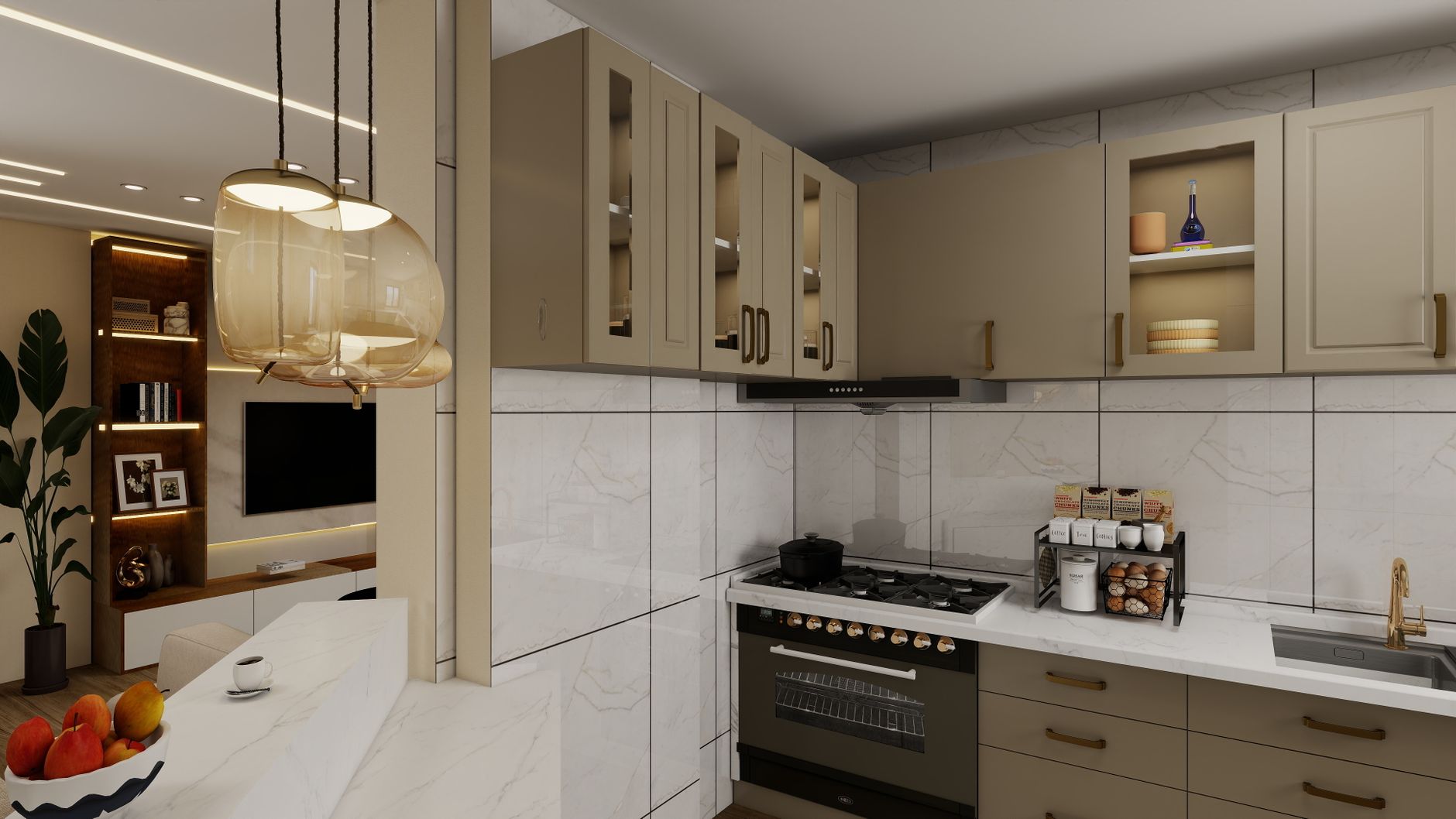
The first thing to fail on most refaced kitchens is not the door face but the thin edge where the new skin wraps around the stile beside the dishwasher, and it usually starts as a hairline lift nobody notices for months.
Refacing keeps the original cabinet boxes and covers the face frames with a new surface, usually real wood veneer, rigid thermofoil or a laminate, then hangs new doors and drawer fronts with new hinges and pulls. Because the boxes stay put, the job is quicker and less disruptive than a full tear out, but it also means the new surfaces are thin layers bonded to older wood. That bond is what a maintenance routine protects.
Why refaced surfaces need their own routine
Solid wood doors can be sanded and refinished more than once. A wood veneer is very thin, and thermofoil is a vinyl film heat formed over a fiberboard core. Neither forgives aggressive scrubbing, solvent cleaners or repeated heat. The adhesive line is the weak point: once moisture or heat gets behind an edge, the skin begins to bubble or curl, and that damage is hard to reverse.
Countertops above refaced cabinets add their own pressures. A sink overflow, a leaking faucet base or a failed seam in the stone can send water straight down onto the face frame. Anyone also dealing with damage up top will find that the earlier write-up on chips, cracks and etching works as a plain guide to cabinet refacing projects that stop at the stone line, since it sorts out which countertop problems can be repaired before new doors go on below.
A weekly habit: wipe, dry, look
- Wipe door fronts and drawer faces with a soft cloth dampened in warm water and a few drops of mild dish soap.
- Dry immediately with a second cloth. Standing water on a veneer edge is the start of most failures.
- Give extra attention to the handle zones, where skin oils and cooking grease build up and hold grime.
- Glance at the door edges next to the range, the dishwasher and the sink. Those three spots tell you about the health of the whole kitchen.
Avoid ammonia based glass cleaners, bleach, abrasive pads, melamine sponges and oil soaps on thermofoil. On wood veneer, a cleaner made for finished wood is fine, but skip silicone polishes, which leave a film that makes any later touch up harder to blend.
Monthly checks that catch problems early
Heat and steam
Thermofoil is sensitive to heat. Self cleaning oven cycles, a toaster oven pushed against a tall cabinet, or a coffee maker that vents steam up under a wall cabinet can soften the film until it lifts at the edges. Once a month, run a fingertip along the edges closest to heat sources. Any softness, waviness or a slight gap means the appliance needs to move or a heat shield needs to go in. Thin heat deflector strips are sold for the faces beside ovens, and opening the dishwasher only after the cycle has cooled cuts the steam that hits the neighboring face frame.
Hinges and alignment
Most refacing jobs use concealed European style cup hinges, which adjust in three directions with a screwdriver: side to side, up and down, and in and out. Doors drift as screws settle into older face frames. When the gaps between doors turn uneven, a quarter turn on the right screw usually squares things up. Tighten the mounting screws first, then make the adjustments. If a screw spins without biting, the hole is stripped; a wooden toothpick or a sliver of dowel dipped in wood glue gives it fresh material to grab once the glue sets.
Soft close dampers wear out too. If a door starts to slam or stalls halfway, the damper can often be replaced on its own without changing the hinge.
Drawer fronts
Refaced drawer fronts are screwed on through the old drawer box. Pull each drawer fully open and check that the screws are snug and the front does not rock. A loose front strains the veneer where it meets the box and eventually cracks it.
Seasonal attention to the sink base
The cabinet under the sink is where refaced kitchens most often fail from the inside out. Every few months, empty the sink base and check:
- The shutoff valves and supply lines for drips or mineral crust.
- The drain trap and slip nuts for weeping joints.
- The cabinet floor for swelling, staining or a musty smell.
- The back side of the face frame, where water can wick into the substrate behind the new skin.
- The sealant line where an undermount sink meets the stone above.
A drip tray or a sheet of waterproof liner on the cabinet floor is inexpensive protection. Any swelling in particleboard behind the face frame deserves attention before it pushes the veneer outward.
Local conditions that shape the routine
Much of Lakewood's housing dates from the large postwar tract building of the early 1950s, so many refaced kitchens are wrapping cabinet boxes that are decades old and have already lived through a leak or two. The climate is mild and fairly dry for much of the year, with the marine layer drifting in from the coast in late spring and early summer, then hot, dry spells when the Santa Ana winds blow in autumn. Wood veneers move a little with those swings in humidity. A finish that looks fine in June can show tiny checks at its edges by October, which is why the edge inspection matters more than the cleaning.
In homes in Lakewood that still have older single pane windows, cabinets on a south or west wall can also take direct afternoon sun. Sunlight fades some veneers and can yellow lighter thermofoil over the years. A sheer curtain or a UV filtering window film slows that down.
Touching up small damage
Small nicks in wood veneer can be filled with a color matched wax stick or a touch up marker, then buffed with a soft cloth. For laminate, a seam filler made for laminate in a matching color hides a chipped corner. Thermofoil that has just started to peel can sometimes be reglued with a contact adhesive and clamped flat, but if the vinyl has stretched or discolored from heat, the door or drawer front usually needs replacing. Because refacing uses standard door styles, ordering a single matching replacement is often possible, provided the original style and finish are still in production.
Keep a note of the door style, the finish name and the supplier from the original job. It makes ordering replacements simple years later, when the finish may be hard to identify by eye.
What not to do
- Do not hang wet dish towels over door tops. Constant damp along the top edge is a slow but reliable way to lift veneer.
- Do not use cabinet doors to lever yourself up from the floor. Hinges and face frame screws are not built for that load.
- Do not paint over thermofoil without a primer made for it; ordinary paint will peel.
- Do not let a slow sink leak go for a weekend. A day of wet particleboard can be enough to cause permanent swelling.
A simple calendar
- Weekly: wipe and dry the busiest door fronts and handles.
- Monthly: check edges near heat sources, tighten hinge and drawer front screws, test the soft close action.
- Quarterly: empty and inspect the sink base, the supply lines and the drain.
- Yearly: inspect every door and drawer front in good light, touch up nicks, and refresh the sealant where the countertop meets the wall.
The wider archive at lakewood countertops record covers the stone and laminate tops that sit over these cabinets, which is useful because the two surfaces tend to fail together: a leak at the counter usually becomes a problem for the cabinet below within days.